
Rob Liefeld's chaotic construction
Or what you can learn from deconstructing his 'work.'

Not to be one of those grumpy old men on the internet — I was like this as a kid, to be fair — but … WTF is going on here?
Yes, this is the comic-book world’s favorite punchbag, 501-Levi-jeans wearing “What were you doing when you were 20” Rob Liefeld.
I won’t get into how bad his art is, or continues to be, or what an absolute ass he seems to be when faced with fair critiques, or how unjust it is that he continues to make bank through his performative counter-outrage when so many who came before him can’t afford their medical bills. His is a career built on the privilege of good luck. He was in the right place at the right time.
Let me only say that I’ve been trying to work out these few frames as a sort of exercise for my own practice, and as a way to manage my own rage at the collectors who undeservingly and constantly prop Liefeld up.
Doing this has damaged my mental health, as the most profound insight I drew from this (pun intended) is that Liefeld’s construction is almost close enough, but not so close that it’s immediately obvious to nonartists. He could be better if he took like five minutes to check his work.

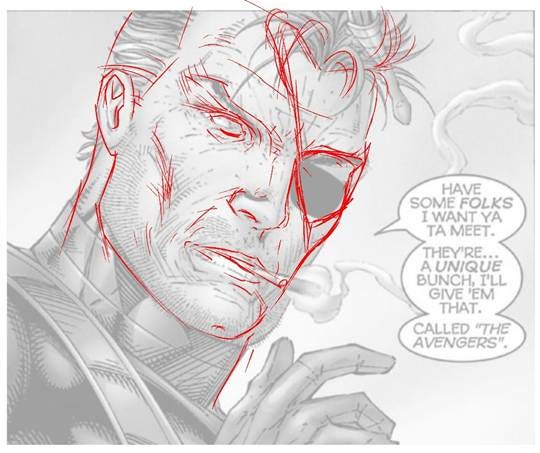
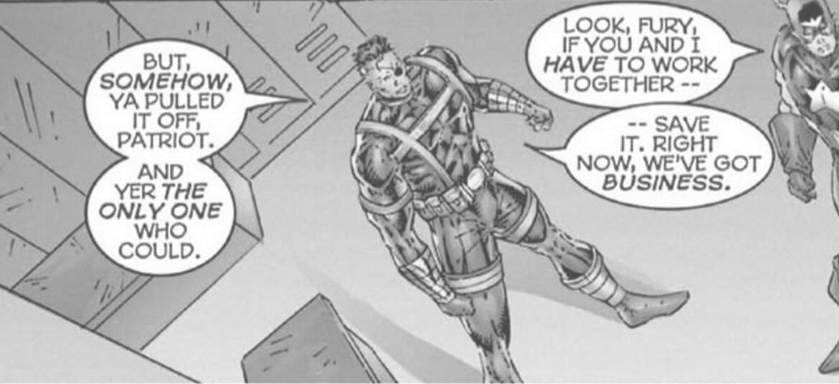
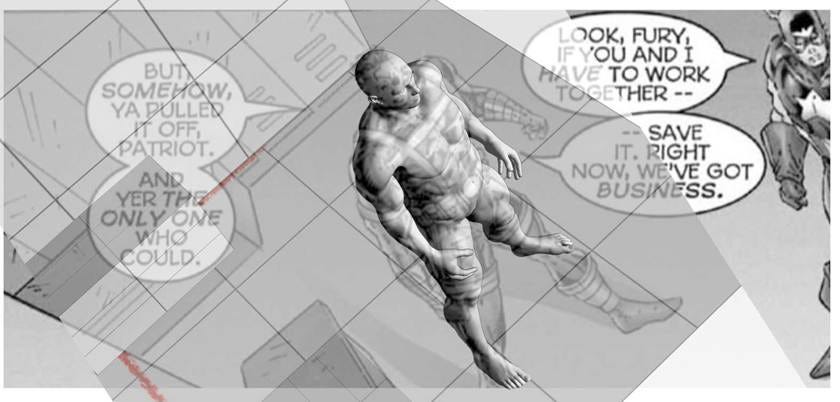
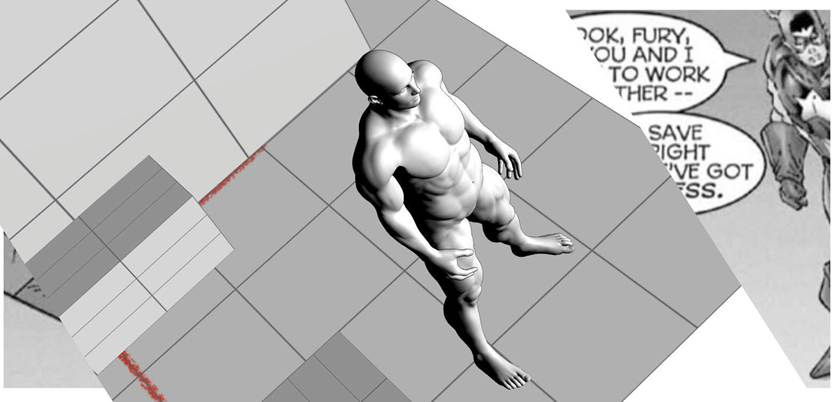
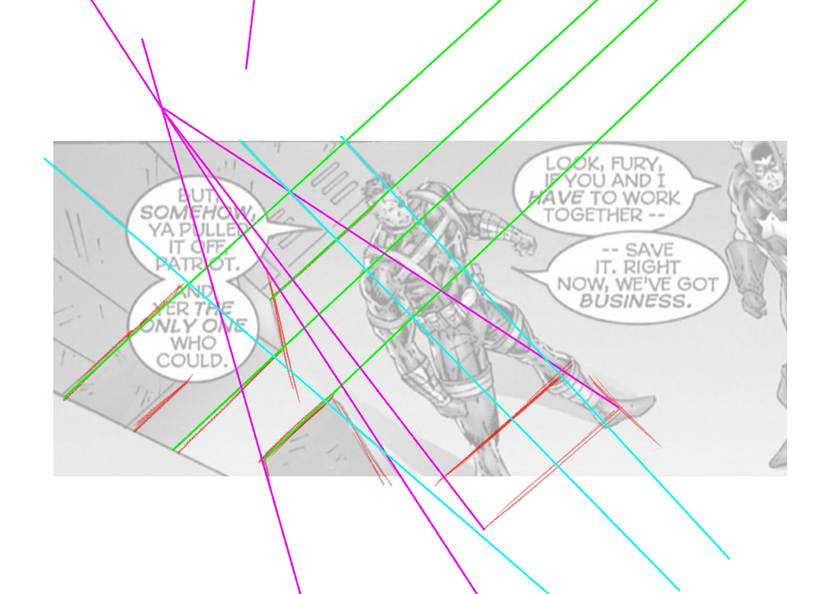
Taking 5 minutes t check is work might make him better (I’m not convinced… he’d also need to take significant time learning what to look for and when) but it wouldn’t make him better paid. So what’s the incentive?
He sells to nostalgists and ignoramuses and no improvement in the quality of his drawing will benefit him in that market.
It’s not his fault he still gets well-paid gigs. If I was an Industrial Comics editor I’d not commission him, but if I was the publisher I probably would. There is more money to syphon out of his readers than there is from a more discerning audience of superhero fans